Product Overview
The Cobra RAD 450 is a radar-based driver aid that delivers precise alerts while minimizing false alarms. Designed for both fixed and moving sources, its adjustable sensitivity (High/Medium/Low) lets users tailor detection to traffic conditions, ensuring reliable performance. Ideal for highway and city driving. Always
Model and Purpose
The Cobra RAD 450 is a state‑of‑the‑art radar‑based driver assistance system engineered to provide drivers with accurate forward‑collision warnings while dramatically reducing nuisance alerts. Its core purpose is to enhance road safety by detecting approaching vehicles, trucks, and other obstacles up to 400 feet ahead, and by delivering clear, audible alerts that allow drivers to take timely evasive action. The device is designed for both highway and urban environments, offering a flexible, user‑adjustable sensitivity that can be tuned to match traffic density, road type, and individual driving habits.
In addition to collision avoidance, the RAD 450 serves as a valuable training aid for new drivers, helping them develop a keen sense of distance and speed relative to surrounding traffic. Its compact, lightweight form factor allows easy integration into a wide range of vehicle models, from compact cars to SUVs, without the need for extensive modifications. The system’s rugged construction ensures reliable operation in diverse weather conditions, making it a dependable companion for daily commutes, long‑haul trucking, and recreational driving alike.
Overall, the Cobra RAD 450’s purpose is to provide a seamless blend of advanced radar detection, intuitive user controls, and robust durability, all aimed at reducing rear‑end collisions and enhancing overall driver confidence on the road.
The RAD 450’s compact design fits on sedans, SUVs, and trucks, offering versatility without compromising performance for all drivers now!!

Core Features
The Cobra RAD 450 delivers precise forward‑collision alerts, featuring radar detection up to 400 ft. Adjustable sensitivity (High/Medium/Low) tailors alerts to traffic density, reducing false alarms from fixed sources. Compact, durable, and easy to install, it enhances safety across all driving conditions.!!!!!!!

Adjustable Sensitivity Modes and False Alarm Reduction
The Cobra RAD 450 employs a sophisticated radar system that continuously scans the forward roadway, detecting both stationary and moving objects with high precision. Its core advantage lies in the ability to adjust sensitivity across three distinct modes—High, Medium, and Low—allowing drivers to tailor alert thresholds to current traffic density and environmental conditions. In heavy traffic or during nighttime driving, selecting High sensitivity maximizes detection of close‑range obstacles, while Medium and Low modes reduce the likelihood of nuisance alerts from distant or stationary sources such as parked vehicles, roadside signage, or even the device’s own radar reflections. This tiered approach not only improves situational awareness but also mitigates driver distraction by filtering out irrelevant signals. The system’s firmware incorporates adaptive algorithms that analyze signal strength and pattern over time, automatically refining sensitivity settings to maintain optimal performance. Users can manually override these defaults via the control panel, selecting the mode that best matches their driving style. Additionally, the RAD 450 features a built‑in false‑alarm reduction module that cross‑checks radar returns against known fixed‑position databases, effectively ignoring signals from non‑mobile objects. When a potential collision is detected, the device issues a clear audible alert and, if equipped, a visual cue on the display panel, ensuring that the driver receives unmistakable feedback. Calibration verifies the radar’s range remains within spec, adjusting for temperature drift and wear, ensuring consistent false‑alarm suppression and alert reliability across conditions and maintains optimal performance for all drivers!!
Installation Guide
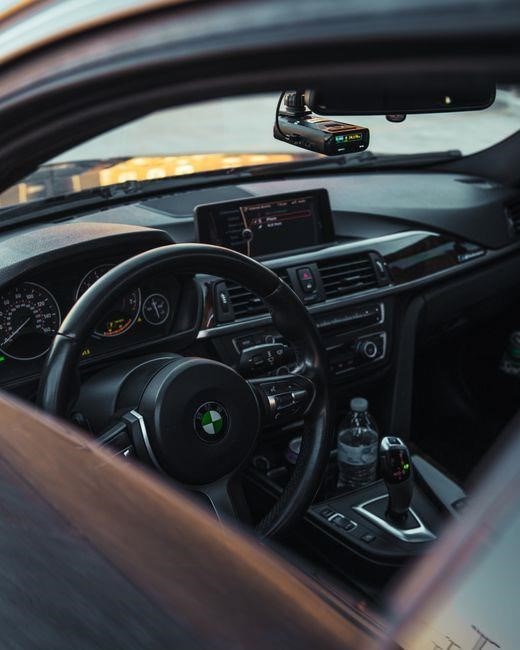
Mount the RAD 450 on the rearview mirror or a dedicated bracket, ensuring a clear forward view. Connect the 12V power cable to the vehicle’s accessory outlet, and route the antenna cable to the radar unit. Secure all connections and test the unit before driving. Ensure proper grounding!!.
Mounting and Wiring Requirements
Secure the RAD 450 by mounting it on the rearview mirror or a dedicated bracket that offers an unobstructed forward view. Use the supplied mounting plate and screws, tightening them to the manufacturer’s torque specifications to avoid vibration. The antenna cable should be routed along the vehicle’s interior trim, keeping it away from heat sources and moving parts. Connect the 12‑V power lead to the vehicle’s accessory outlet, ensuring a solid ground connection to the chassis. The unit’s antenna connector must be firmly seated; a loose connection can cause intermittent operation. After installation, test the system by driving through a controlled environment to confirm proper signal reception and alarm activation. If the unit does not power on, verify the fuse in the accessory circuit and check for correct polarity on the power cable. For vehicles with a dedicated power source, use the optional power adapter to maintain a stable voltage. Finally, document the installation by noting the mounting position, cable routing, and any modifications made to the vehicle’s interior. This record will aid future maintenance and troubleshooting efforts.
During installation, keep the antenna cable free of sharp bends and secure it with cable ties at regular intervals to prevent strain. Verify the power cable’s polarity by checking connector markings; reverse polarity can damage the unit. Use a multimeter to confirm a steady 12‑V supply before powering the device; After mounting, perform quick test drive to ensure radar detects approaching vehicles and that alarm triggers appropriately. Proper documentation.
Setup and Configuration
Initial setup involves selecting the desired sensitivity mode—High, Medium, or Low—using the front panel buttons. The unit automatically calibrates to vehicle’s environment, ensuring accurate detection while minimizing false alarms from stationary sources. Adjust settings as needed.
Initial Setup and Sensitivity Settings
To begin, power on the Cobra RAD 450 and allow the unit to perform its self‑check routine. The display will flash a green LED when ready. Press the SET button to enter the sensitivity menu. Three selectable modes—High, Medium, and Low—are displayed. High mode offers the most aggressive detection, ideal for heavy traffic or long‑distance monitoring, but may increase false alerts from stationary objects. Medium mode balances sensitivity and reliability, making it suitable for most highway conditions. Low mode reduces the chance of false alarms, best for short‑range or low‑speed scenarios.
Once a mode is chosen, the unit automatically calibrates to the vehicle’s current speed and road profile. The calibration process scans the surrounding area for static and moving radar signatures, adjusting internal thresholds to minimize erroneous signals from fixed sources such as other vehicles, roadside infrastructure, or even the Cobra’s own GPS module. The display will show a calibration bar that completes when the system is ready.
After calibration, you may fine‑tune the sensitivity by using the + and ─ buttons. Incremental adjustments allow you to dial in the exact level of alertness required for your driving environment. The unit will provide immediate visual feedback, displaying the new sensitivity level on the screen. When satisfied, press SET again to lock in the configuration. The device will then begin issuing real‑time alerts for approaching vehicles, with a clear a
Perform a quick check after any change in load.
User Interface
The Cobra RAD 450 displays distance, speed, and alerts on a 2.4‑inch LCD. A rotary encoder with push‑button lets you navigate menus. Press SET to confirm, + or ― to adjust sensitivity. The MODE button cycles High/Medium/Low settings. Alerts update instantly. Monitor traffic via LCD now
Display and Control Buttons
The Cobra RAD 450 features a 2.4‑inch color LCD that continuously shows the distance to the vehicle ahead, relative speed, and a clear alert icon when a potential collision is detected. The screen refreshes every 200 ms, ensuring real‑time feedback. To navigate the menu, use the rotary encoder located beneath the display. Turning the encoder clockwise scrolls forward through options, while counter‑clockwise moves backward. Pressing the encoder button selects the highlighted item. The device offers three primary control buttons: SET, +, and -. The SET button confirms selections and exits submenus. The + and ― buttons adjust the sensitivity level, cycling through High, Medium, and Low modes. A separate MODE button toggles between the three sensitivity settings without entering the menu. The interface also includes a POWER button that turns the unit on or off; a short press powers the device, while a long press (over 3 seconds) initiates a factory reset, restoring default settings. The display’s backlight is adjustable via a dimming control on the side, allowing users to set brightness for day or night driving. All controls are designed for quick, one‑hand operation, ensuring drivers can adjust settings without taking eyes off the road. For detailed calibration, refer to the maintenance section of the manual. The intuitive layout and responsive buttons make the Cobra RAD 450 user‑friendly for both novice and experienced drivers. The unit’s design and responsive buttons make it a reliable companion for safe driving today ok
Maintenance & Calibration
Regular inspection ensures optimal performance. Check antenna alignment, secure mounting bolts, and verify sensor cleanliness. Use the calibration routine in the menu: select CALIBRATE, then follow on‑screen prompts. Perform this every 6 months or after major impacts. Document results in the log. Done. 2026. OK
Regular Inspection and Calibration Procedure
To maintain the Cobra RAD 450’s accuracy, perform a scheduled inspection and calibration every six months or after any event that could alter sensor alignment, such as a collision. Begin by inspecting the antenna and mounting hardware. Verify the antenna is free of debris and that all mounting bolts are tightened to the manufacturer’s torque specification. Use a calibrated torque wrench to ensure consistency. Ensure the antenna is level, free of obstructions, and the mounting bracket shows no corrosion. Check sensor.
Check the sensor housing for moisture. If detected, dry the interior with a lint‑free cloth and allow the unit to air‑dry for at least 24 hours. Inspect wiring harness for frays and confirm connectors are seated. Verify the sensor cable for any visible damage and ensure all connectors are tight.
Once the physical inspection is complete, launch the on‑board calibration routine. From the main menu, select CALIBRATE and RADAR ALIGNMENT. Follow the on‑screen prompts to position the vehicle in a clear, flat area with no nearby reflective surfaces. The system emits test pulses to calculate sensitivity. If deviations exceed limits, repeat calibration or consult support. During calibration, the system shows a status bar and a numeric threshold.
After calibration, review the log and record date, time, and notes. Store the log securely. Perform a quick test by driving a short distance and verifying alerts and display accuracy. If anomalies occur, repeat calibration or seek support. Keep the calibration log in a folder on your vehicle’s data storage for audit purposes.

Troubleshooting & Support
If the RAD 450 fails to display alerts, first check power and antenna alignment. Reset the unit via the menu, then re‑calibrate. For persistent errors, consult the online manual or contact Cobra support at 1‑800‑Cobra‑450. Firmware updates are available on the official website.
Common Issues and Support Resources
Users frequently report a few recurring problems when operating the Cobra RAD 450. The most common include a sudden loss of signal, persistent false‑alarm alerts, difficulty in resetting the unit, and firmware‑related glitches that prevent the display from updating. A loss of signal is often caused by a loose or damaged antenna connection, a blocked sensor port, or interference from nearby electronic devices. Persistent false alarms usually result from incorrect sensitivity settings or a mis‑aligned antenna that picks up static from fixed sources such as other radar units or high‑frequency emitters.
When the unit fails to reset, the first step is to perform a hard reset by holding the reset button for 10 seconds. If the problem persists, check the power supply and ensure the battery is fully charged. Firmware glitches can be resolved by downloading the latest firmware from the official Cobra website and installing it via the USB interface. Users should also verify that the software version displayed on the screen matches the version listed in the release notes.
For troubleshooting, the following resources are available: the free PDF manual (central‑manuals‑gps_cobra_RAD450_ENG.pdf) hosted on the Internet Archive, a comprehensive FAQ on the Cobra support portal, and a dedicated online forum where experienced users share solutions. Technical support can be reached by phone at 1‑800‑Cobra‑450 or by email at support@cobra‑rad.com. Warranty claims must be submitted within 12 months of purchase and include the serial number, proof of purchase, and a brief description of the issue.
For additional help, visit the Cobra community forum where users share calibration tips and firmware updates. The team offers chat during business hours and a troubleshooting guide on the website.!