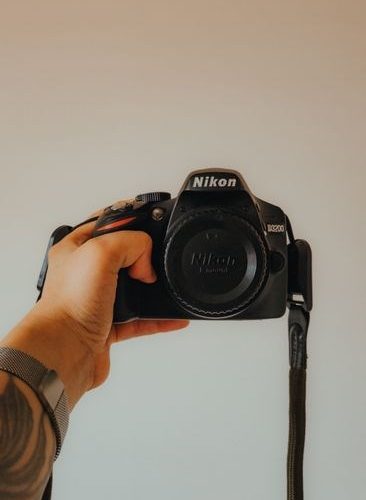
Camera Overview and Physical Features
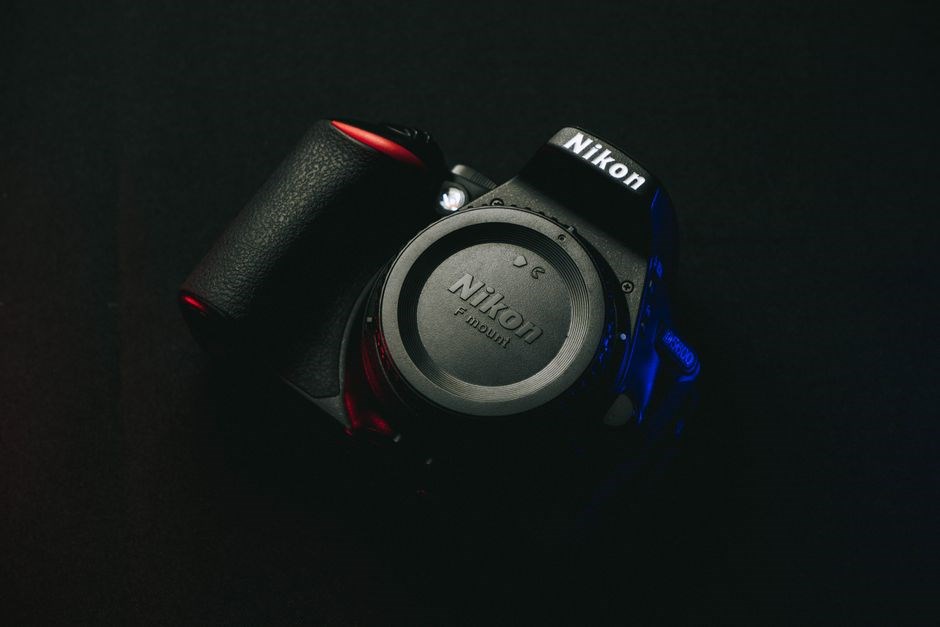
The Nikon D5500 is a 24.2‑MP DX‑format DSLR featuring a lightweight body‚ 3‑inch tilting LCD‚ and a 3‑point autofocus system. It offers a 3‑axis image stabilization‚ built‑in Wi‑Fi‚ and a tilting a screen for vlogging.
It offers 11‑frame burst‚ 1080p video‚ and 3‑axis image stabilizer shooting!!!
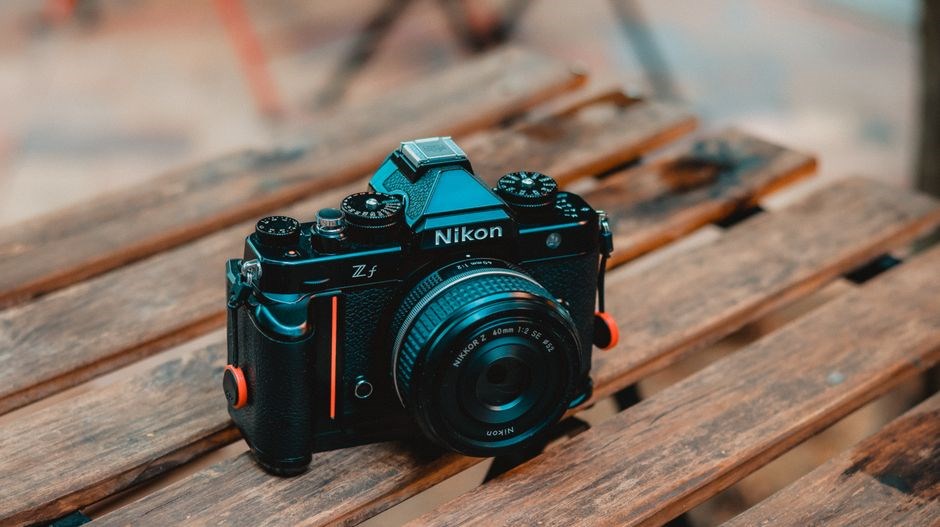
Operating Modes and Exposure Controls
The Nikon D5500 offers a range of exposure modes to suit every shooting scenario. Auto mode automatically chooses shutter speed‚ aperture‚ and ISO‚ making it perfect for quick snapshots. Program (P) mode locks shutter speed while letting you adjust aperture and exposure compensation‚ providing creative control. Aperture Priority (A) mode sets shutter speed automatically‚ allowing depth‑of‑field manipulation. Shutter Priority (S) mode lets you specify shutter speed‚ with the camera selecting the appropriate aperture. Manual (M) mode gives full control over shutter speed‚ aperture‚ and ISO‚ ideal for challenging lighting. ISO sensitivity ranges from 100 to 25600 in 1/3‑stop increments‚ with Auto ISO available in P‚ A‚ S‚ and M modes to adapt to changing light. Exposure compensation spans –3 to +3 EV in 1/3‑stop steps‚ fine‑tuning brightness. White balance presets (Auto‚ Daylight‚ Cloudy‚ Tungsten‚ Fluorescent‚ Flash‚ Shade‚ Custom) can be chosen or set manually. Custom exposure settings can be saved to the camera’s memory card for consistency. The D5500’s exposure system is intuitive‚ featuring a clear on‑screen display of current settings and a dedicated exposure lock button for maintaining a chosen exposure while panning or tracking subjects. The camera’s quick‑menu allows rapid adjustment of exposure settings‚ and the “Scene” modes (Portrait‚ Landscape‚ Sports‚ Night Scene‚ Macro‚ Auto) automatically adjust exposure parameters for specific situations. The D5500’s exposure system is user‑friendly‚ making it a choice for enthusiasts! Elevate your shots.

Autofocus and Metering Systems

The Nikon D5500 employs a 11‑point hybrid autofocus system‚ combining phase‑detect and contrast‑detect sensors for rapid and accurate focus across a wide field. The central point is a 3‑pixel phase‑detect sensor‚ while the surrounding 10 points use contrast‑detect‚ ensuring reliable focus in low‑light and high‑contrast scenes. The camera supports various AF modes: One‑Shot for stationary subjects‚ AI Servo for tracking moving targets‚ and Auto‑Focus‑Assist for low‑light situations. Users can select focus area modes—Dynamic‚ 3‑D‚ and 3‑D Tracking—to balance precision and flexibility. The AF system is complemented by a 3‑axis image stabilization that reduces camera shake‚ allowing sharper images at slower shutter speeds. Metering is handled by a 3‑D Matrix Metering system that evaluates the entire frame‚ taking into account color‚ distance‚ and contrast to calculate optimal exposure. Spot Metering measures a 1.5‑mm area at the center‚ ideal for high‑contrast subjects‚ while Center‑Weighted Metering gives priority to the central portion of the frame. Exposure Compensation can be applied in 1/3‑stop increments‚ and the camera’s built‑in exposure lock feature maintains the chosen exposure while panning. The D5500’s metering and AF systems are designed to work seamlessly with its 24.2‑MP sensor‚ delivering sharp‚ well‑exposed images even in challenging lighting conditions.
Face Detection AF works in One‑Shot mode‚ automatically locating human faces. The camera also offers 3‑D Tracking‚ locking onto moving subjects and following them across the frame. For macro‚ a 3‑point AF system with a dedicated macro setting ensures precise focus at close distances. The metering system‚ calibrated for the 24.2‑MP sensor‚ delivers accurate exposure across a wide dynamic range. Now OK.

Video Recording Options
The Nikon D5500 delivers full‑HD video in a range of resolutions and frame rates‚ all encoded in MP4/H.264 with 4:2:0 chroma subsampling and 8‑bit depth. Users can choose from the following preset combinations‚ each offering a distinct balance between quality‚ file size‚ and recording time:
- 1080p (1920×1080) – 60 fps‚ 3.6 Mbit/s (high‑quality‚ 29 min 59 s per clip)
- 1080p (1920×1080) – 30 fps‚ 3.6 Mbit/s (standard‑quality‚ 29 min 59 s per clip)
- 1080p (1920×1080) – 30 fps‚ 2.7 Mbit/s (medium‑quality‚ 29 min 59 s per clip)
- 1080p (1920×1080) – 30 fps‚ 1.3 Mbit/s (low‑quality‚ 29 min 59 s per clip)
- 720p (1280×720) – 30 fps‚ 1.3 Mbit/s (compact‑size‚ 29 min 59 s per clip)
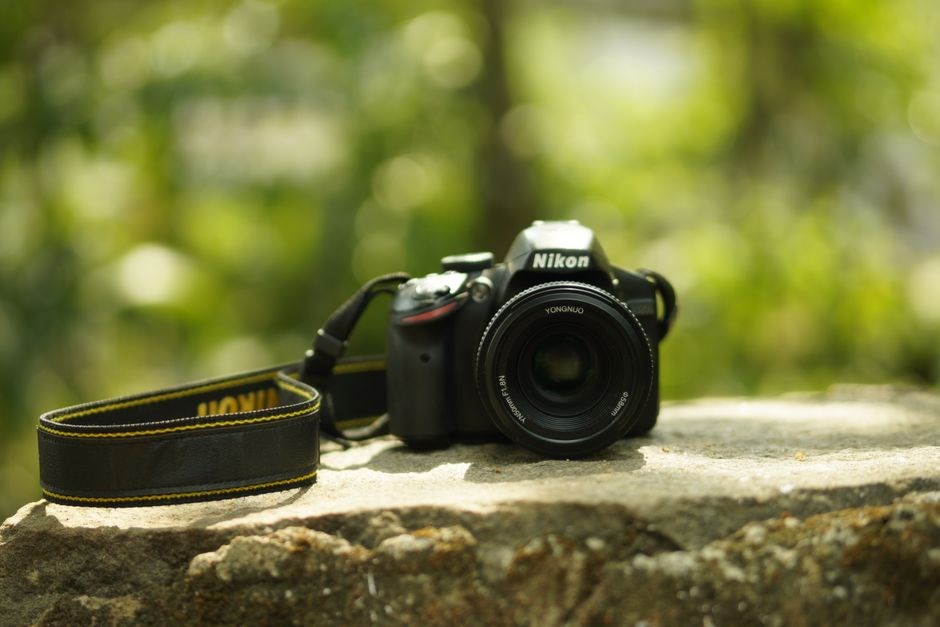
All video files are stored on a UHS‑II SD/SDHC card and can be edited in any standard video editor that supports H.264/MP4. The camera also offers a 3‑second “self‑timed” recording mode for quick clips‚ and a “continuous” mode that automatically starts recording when the shutter button is pressed and stops when released. Audio is captured at 48 kHz‚ 16‑bit‚ providing clear sound without the need for external microphones in most scenarios. For advanced users‚ the D5500’s menu allows manual adjustment of the video bitrate‚ but the default presets are designed to provide optimal image quality while maintaining manageable file sizes for everyday shooting.
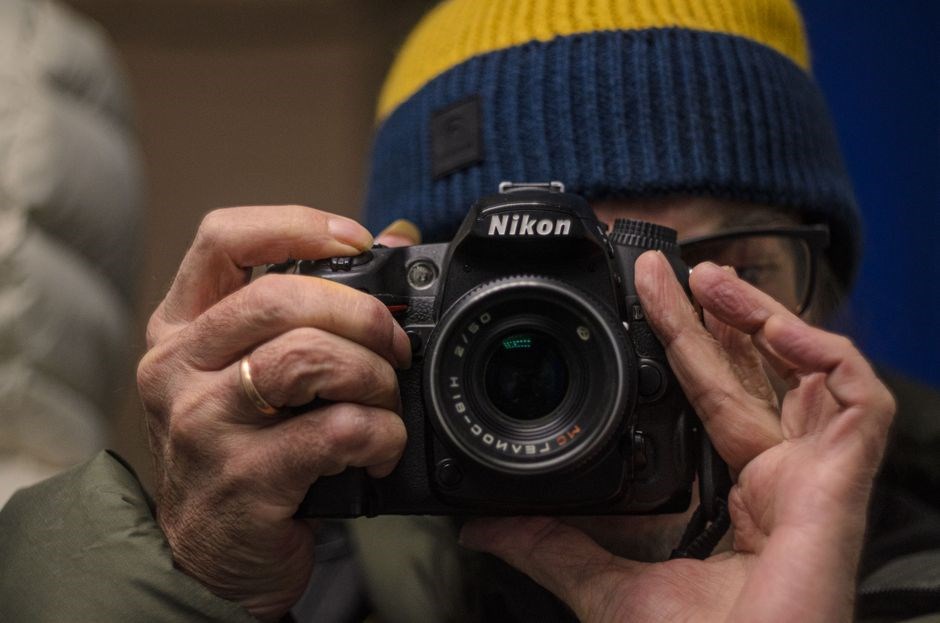
Maintenance‚ Care‚ and Troubleshooting
Keep the D5500 clean with a soft brush‚ store in a dry case‚ and update firmware via USB. If the shutter icon blinks‚ reset settings or replace the battery. For lag‚ clean the sensor with a blower. Avoid moisture and extreme temperatures. 3‑second timer. !
Lens Mount and Compatibility
The Nikon D5500 uses the F‑mount‚ compatible with Nikon’s extensive range of FX and DX lenses. The mount supports both manual focus and autofocus lenses with the built‑in AF motor. Nikon’s DX lenses are optimized for the 24‑mm sensor‚ offering sharpness across the frame‚ while FX lenses provide a 1.5× crop factor‚ enabling longer focal lengths. Third‑party lenses from Canon‚ Sony‚ and Sigma that feature the F‑mount are also supported‚ provided they include an electronic contact for autofocus and aperture control. The D5500’s electronic interface allows for automatic aperture control and exposure metering with compatible lenses. For lenses lacking electronic contacts‚ manual focus and aperture control is still possible‚ but the camera will default to manual mode. The camera’s firmware can be updated to improve compatibility with newer lenses‚ ensuring full functionality. When selecting lenses‚ consider the sensor size‚ desired focal length‚ and whether you need autofocus for video or stills. The D5500 also supports Nikon’s new Z‑mount lenses via an optional adapter‚ though this requires additional firmware support and may limit autofocus speed. Always check the lens specifications for compatibility before mounting. The D5500’s mount is designed to maintain a 44‑mm flange distance‚ ensuring proper optical alignment and preventing vignetting. Cleaning the lens mount contacts with a cloth lens solution preserves signal integrity and prolongs the life of camera very lens. The camera’s 3‑axis stabilizer works with lenses that have built‑in stabilization‚ reducing blur in handheld shots. In summary‚ the D5500’s F‑mount offers broad compatibility‚ making it a versatile choice for beginners and advanced photographers.
Power Source and Battery Management
The Nikon D5500 operates on a single EN-EL15 rechargeable lithium‑ion battery. This battery delivers approximately 1‚200 shots per charge under the camera’s standard shooting conditions‚ though actual performance varies with temperature‚ shutter speed‚ and use of the built‑in flash or Wi‑Fi. The D5500’s power‑saving features include an automatic standby mode that activates after 30 seconds of inactivity‚ a quick‑start mode that restores the camera to full power in 3 seconds‚ and a low‑battery warning that appears on the LCD when the remaining charge drops below 10 percent. For extended shooting sessions‚ the camera supports an optional AC adapter (AC‑PWR2) that plugs into a standard outlet‚ allowing continuous operation without battery depletion. The D5500’s battery compartment is designed for easy access; the battery cover can be opened with a single lever‚ and the battery can be swapped in less than 10 seconds‚ which is useful for rapid change‑over during events or travel. The D5500’s battery health check that can be accessed via the menu‚ providing a diagnostic of the battery’s internal resistance and remaining capacity. To prolong battery life‚ users should avoid exposing the battery to extreme temperatures‚ store it in a cool‚ dry place when not in use‚ and perform a full charge cycle every 30 days. The D5500 also supports the optional Nikon EN‑EL15a battery‚ which offers a slightly higher capacity and improved performance in cold environments. When using the optional AC adapter‚ the camera’s power‑consumption mode
Exposure Modes (Auto‚ Manual‚ etc)
The Nikon D5500 offers a versatile range of exposure modes to suit both beginners and advanced photographers. The Auto mode automatically selects shutter speed‚ aperture‚ and ISO‚ making it ideal for quick snapshots. In Program (P) mode‚ the camera chooses a balanced combination of shutter speed and aperture‚ while allowing the user to adjust exposure compensation and shift the program settings. The Shutter Priority (S) mode lets you lock a specific shutter speed; the camera then selects the appropriate aperture to maintain correct exposure. Conversely‚ the Aperture Priority (A) mode fixes the aperture‚ and the camera determines the shutter speed. For full creative control‚ the Manual (M) mode requires the photographer to set both shutter speed and aperture‚ with ISO adjustable independently. The D5500 also supports Custom (C) modes‚ where you can save a particular combination of settings for quick recall. Additionally‚ the camera’s Auto ISO feature can be enabled in P‚ S‚ A‚ and M modes to automatically adjust ISO based on lighting conditions‚ with a maximum limit set by the user. The exposure meter uses a 3‑zone metering system‚ and the camera offers Exposure Compensation in 1/3‑EV increments from –3 to +3 EV‚ allowing fine‑tuning of brightness. The Metering Mode can be switched between Matrix‚ Center‑Weighted‚ and Spot to accommodate different lighting scenarios. These modes are accessible via the i‑Button and the Menu‚ providing flexibility for any shooting situation. Enjoy great shooting today
White Balance and Custom Settings
The Nikon D5500 offers a full set of white‑balance options: Auto‚ Daylight‚ Shade‚ Tungsten‚ Fluorescent‚ Flash‚ and Custom. In Custom mode you can capture a neutral gray card or white surface; the camera then calculates the exact color temperature and tint‚ giving accurate color in any light. The White‑Balance Shift tool lets you fine‑tune temperature and tint in 1‑degree steps‚ which is handy for mixed lighting or creative grading.
Custom Settings let you save up to five profiles‚ each storing exposure mode‚ ISO‚ metering‚ autofocus‚ and picture controls. These profiles are accessed via the Custom Setting Menu and recalled with a single button press‚ speeding up workflow for events or studio work. You can also tweak sharpness‚ contrast‚ saturation‚ and hue per picture style‚ and lock the settings to avoid accidental changes.
Advanced users can set a Custom ISO range‚ lock the white balance‚ and use the Custom Menu to assign functions to the i‑Button or Menu. This flexibility lets photographers match the camera’s behavior to their shooting style‚ whether it’s rapid street photography or meticulous studio sessions. Enjoy the precision of the D5500’s white‑balance and custom settings today.
The D5500’s user‑friendly interface lets you assign frequently used functions to the i‑Button or Menu. This design‚ combined with the camera’s robust build and ergonomic grip‚ makes it a reliable companion for studio and on‑the‑go shooting. Its design keeps fatigue low during long sessions.
AF Modes and Focus Area Selection
The Nikon D5500 provides four autofocus modes: One‑Shot‚ AI Servo‚ AI Focus‚ and Manual. One‑Shot locks focus when the shutter button is pressed halfway‚ ideal for still subjects. AI Servo tracks moving subjects‚ updating focus continuously during exposure. AI Focus automatically switches between One‑Shot and AI Servo depending on subject motion‚ useful for unpredictable scenes. Manual mode disables autofocus‚ allowing you to set focus with the focus ring.
Focus area selection is controlled by the AF‑Area button. The camera offers three focus‑area modes: 11‑area‚ 3‑area‚ and 1‑area. In 11‑area mode the sensor selects the best point from the full 11‑point grid. 3‑area mode limits selection to a central 3‑point cluster‚ while 1‑area mode locks focus to the center point. The user can also choose a custom focus‑area by pressing the AF‑Area button while the shutter is half‑pressed‚ then moving the focus point with the command dial. This feature is handy for precise framing in portrait or macro work.
During continuous shooting‚ the D5500 automatically switches to AI Servo mode and maintains focus on the selected area until the shutter is released. For video‚ the camera defaults to AI Servo‚ and the focus point can be locked with the focus‑lock button to prevent accidental changes. The combination of versatile AF modes and flexible focus‑area selection makes the D5500 adaptable to a wide range of shooting scenarios‚ from sports to still life. AF performance is praised worldwide.!
The Nikon D5500 provides four autofocus modes: One‑Shot‚ AI Servo‚ AI Focus‚ and Manual. One‑Shot locks focus when the shutter button is pressed halfway‚ ideal for still subjects. AI Servo tracks moving subjects‚ updating focus continuously during exposure. AI Focus automatically switches between One‑Shot and AI Servo depending on subject motion‚ useful for unpredictable scenes. Manual mode disables autofocus‚ allowing you to set focus with the focus ring.
Focus area selection is controlled by the AF‑Area button. The camera offers three focus‑area modes: 11‑area‚ 3‑area‚ and 1‑area. In 11‑area mode the sensor selects the best point from the full 11‑point grid. 3‑area mode limits selection to a central 3‑point cluster‚ while 1‑area mode locks focus to the center point. The user can also choose a custom focus‑area by pressing the AF‑Area button while the shutter is half‑pressed‚ then moving the focus point with the command dial. This feature is handy for precise framing in portrait or macro work.
During continuous shooting‚ the D5500 automatically switches to AI Servo mode and maintains focus on the selected area until the shutter is released. For video‚ the camera defaults to AI Servo‚ and the focus point can be locked with the focus‑lock button to prevent accidental changes. The combination of versatile AF modes and flexible focus‑area selection makes the D5500 adaptable to a wide range of shooting scenarios‚ from sports to still life. AF performance is praised worldwide.!

Exposure compensation is accessed via the +/- button on the back. The D5500 allows ±3 EV in 1/3‑EV increments‚ letting photographers brighten or darken images without changing aperture or shutter speed. In Auto and Scene modes‚ the camera adjusts compensation based on metering‚ but manual modes give control. Indicator appears on viewfinder and LCD‚ and camera logs value for review!
The D5500’s live view shows a real‑time histogram‚ letting you fine‑tune exposure instantly. Its 3‑axis stabilizer works during video‚ reducing shake even when handheld. The camera records 1080p at 60fps for smooth motion. Built‑in Wi‑Fi transfers images to phones‚ and the touchscreen menu simplifies navigation‚ making the D5500 a versatile tool for beginners and pros alike. It excels low light.!!
Video Formats and Frame Rates
The Nikon D5500 records Full‑HD 1080p video at up to 60 fps‚ with 30 fps‚ 24 fps‚ and 25 fps options for cinematic or PAL use. It also offers 720p at 60 fps for high‑speed capture. Video is encoded in AVCHD at 24 Mbps‚ balancing quality and file size. Audio is 48 kHz stereo‚ with a built‑in mic and a 3.5 mm jack for external mics. Live‑view lets you preview recordings in real time‚ and the 3‑axis stabilizer reduces shake during handheld shooting. The menu provides quality‚ frame‑rate‚ and audio settings‚ making it easy to adapt to any shooting scenario. The 3‑inch tilting LCD displays the preview‚ and the touchscreen can start or stop recording. The D5500 is suitable for vloggers‚ hobbyists‚ and semi‑professionals seeking an affordable DSLR with solid video. It supports 4‑K external recording via HDMI‚ allowing capture of the sensor’s full resolution on an external recorder. Battery life supports roughly 200–250 shots per charge‚ and built‑in Wi‑Fi transfers video to smartphones or tablets for quick sharing. The camera’s 3‑axis stabilizer keeps footage steady even when moving. Its versatility makes it a strong tool for both stills and video‚ praised for clarity‚ smoothness‚ and ease of use. The camera’s menu system is simple‚ with buttons for quick access. Users can also record in time‑lapse mode‚ capturing long sequences with a single button press. The D5500’s build makes it reliable for outdoor shoots. Its 3‑axis stabilizer benefits video‚ keeping footage steady during shooting. The sensor’s 24‑MP resolution delivers sharp detail‚ and the camera’s 3‑inch LCD aids framing. The D5500’s battery supports‚ and Wi‑Fi allows file transfer.!
Common Firmware Updates and Error Messages
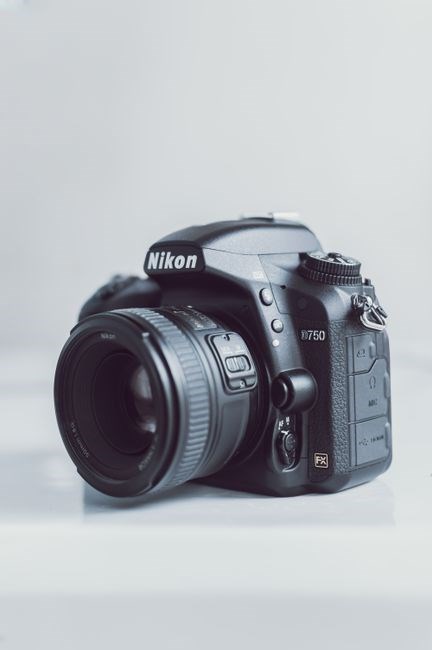
Firmware updates for the Nikon D5500 are released annually to improve performance‚ add new features‚ and fix bugs. The latest version‚ 1.01‚ addresses battery life reporting inaccuracies and enhances image stabilization in video mode. To update‚ download the firmware from Nikon’s official website‚ copy it to a FAT32‑formatted SD card‚ and follow the on‑screen instructions. The camera will prompt “Firmware update available” and will reboot once the process completes.
Typical error messages include “Battery not detected”‚ “SD card error”‚ and “Firmware update failed”. “Battery not detected” often occurs when the battery is not fully inserted or the contacts are dirty; cleaning the contacts with a dry cloth usually resolves the issue. “SD card error” can be triggered by a corrupted file system or a card that is not compatible with the D5500’s 2.5 GB limit; reformatting the card in the camera or using a newer UHS‑I card solves the problem. “Firmware update failed” usually indicates a power interruption during the update; ensuring the battery is fully charged and using a reliable SD card can prevent this.
Other common messages are “Lens not detected” when a non‑Nikon lens is attached‚ and “Image sensor error” if the sensor’s temperature exceeds safe limits. The camera’s menu offers a “Firmware version” display‚ and the “Error log” can be accessed by holding the “Menu” button during startup. Regularly checking for updates and maintaining clean contacts helps keep the D5500 running smoothly.
If the camera shows a “Firmware update failed” error‚ try a new SD card‚ format it to FAT32‚ and restart the camera before retrying. Verify the download’s checksum to avoid corrupted firmware again