
Golf R DSG vs․ Manual: A Comprehensive Comparison (Updated February 27, 2026)
This detailed analysis, current as of February 27, 2026, explores the nuances between the Golf R’s dual-clutch gearbox (DSG) and traditional manual transmission options․
The Volkswagen Golf R, a performance hatchback icon, presents enthusiasts with a pivotal choice: the lightning-fast Dual Shift Gearbox (DSG) or the engaging control of a traditional six-speed manual transmission․ This decision isn’t merely about shifting gears; it fundamentally alters the driving experience, impacting performance metrics, daily usability, and overall ownership satisfaction․
For years, the DSG has been lauded for its blistering acceleration and seamless shifts, appealing to those prioritizing outright speed․ Conversely, the manual transmission attracts drivers seeking a more visceral connection with the car, valuing driver involvement and a classic feel․ This comparison delves into the specifics, analyzing acceleration, handling, reliability, and cost, to help you determine which Golf R configuration best suits your needs and preferences․ The debate continues, fueled by passionate opinions on both sides․
Performance: Acceleration and Speed
When evaluating the Golf R’s performance, the DSG and manual transmissions exhibit distinct characteristics․ The DSG, with its automated clutch and dual-gear setup, consistently delivers quicker acceleration due to minimized power interruption during shifts․ This translates to faster 0-60 mph times and improved quarter-mile performance, capitalizing on the engine’s full potential․
However, a skilled driver in a manual Golf R can mitigate some of this difference, achieving competitive times․ Top speed limitations are generally similar between the two, though the DSG’s efficiency can offer a slight advantage in sustained high-speed runs․ Ultimately, the DSG prioritizes raw speed, while the manual offers a more engaging, albeit slightly slower, experience․
0-60 mph Times: DSG Advantage
Independent testing consistently demonstrates the Golf R equipped with the DSG transmission achieves quicker 0-60 mph times compared to its manual counterpart․ The DSG’s lightning-fast, uninterrupted shifts eliminate the slight power loss inherent in a manual gear change․ Typically, DSG models record times in the low-to-mid 4-second range, frequently around 4․1-4․3 seconds, depending on conditions and testing methodology․
Manual versions, while still impressively quick, generally fall in the 4․5-4․8 second range․ This difference, though seemingly small, is significant for those prioritizing outright acceleration․ The DSG’s computer-controlled precision ensures optimal gear selection for maximum launch and acceleration performance, providing a clear advantage․
Quarter Mile Performance: Manual vs․ DSG

In quarter-mile testing, the Golf R’s DSG and manual transmissions present a more nuanced comparison than 0-60 mph runs․ While the DSG maintains an advantage in consistency, a skilled driver in a manual Golf R can often close the gap․ DSG models typically achieve quarter-mile times in the low 12-second range, frequently around 12․2-12․5 seconds, at speeds exceeding 115 mph․
Manual versions, with expert driving, can achieve similar times, often around 12;5-12․8 seconds․ The driver’s ability to perfectly time shifts is crucial․ However, the DSG’s consistency and reduced driver workload generally result in more repeatable and slightly quicker quarter-mile performances overall․
Top Speed Limitations & Differences
Both the Golf R DSG and manual variants are electronically limited to 155 mph․ However, achieving this top speed consistently can differ․ The DSG, with its seamless gear changes and optimized gear ratios, generally reaches the limiter with less effort and maintains it more stably during extended runs․ The manual transmission requires precise gear selection and can experience slight speed fluctuations during shifts near the limit․
Removing the electronic limiter—a common modification—reveals potential differences․ The DSG’s robust transmission can handle sustained high-speed operation effectively, while the manual may require upgraded components for prolonged runs at significantly higher velocities․
Driving Experience: Feel and Engagement
The core difference lies in driver involvement․ The Golf R manual fosters a direct connection, demanding active participation in gear selection and clutch control, appealing to enthusiasts who relish a tactile experience․ Conversely, the DSG offers a more detached, yet incredibly efficient, driving style․ Shifts are lightning-fast and consistent, minimizing interruption to power delivery․
While the DSG provides convenience and speed, some drivers find it lacks the emotional engagement of a manual․ The manual’s requirement for skillful operation enhances the sense of control and connection with the vehicle, creating a more rewarding experience for those who prioritize feel;
Manual Transmission: Driver Involvement
Choosing the manual Golf R transmission fundamentally alters the driving experience, placing complete control in the driver’s hands․ This demands active participation – precise clutch engagement, deliberate gear selection, and skillful throttle modulation are all crucial for optimal performance․ It’s a system that rewards technique and provides a deeply satisfying connection to the machine․
The manual isn’t simply about shifting gears; it’s about feeling the car․ Drivers can precisely match engine speed to road conditions, enhancing control during spirited driving or navigating challenging terrain․ This level of involvement fosters a more intimate relationship with the Golf R, appealing to those who prioritize driving purity․
DSG Transmission: Seamless Shifts & Efficiency
The Golf R’s DSG (Direct-Shift Gearbox) offers a distinctly different experience, prioritizing speed and efficiency through automated gear changes․ This dual-clutch system pre-selects the next gear, resulting in incredibly rapid, almost imperceptible shifts – far quicker than any human could achieve consistently․ This translates to minimized power interruption and enhanced acceleration․

Beyond speed, the DSG excels in fuel economy․ Its intelligent programming optimizes gear selection for maximum efficiency, particularly during everyday driving․ The convenience factor is also significant; drivers can enjoy a relaxed driving experience without the need for constant clutch and gear lever manipulation, especially in congested traffic․
Steering Feel and Handling Characteristics
Both Golf R configurations share the same fundamentally excellent chassis and steering setup, yet subtle differences emerge in how they translate to the driver․ The manual version fosters a more direct connection, allowing for greater control over engine braking and a more tactile sense of the road․ This appeals to enthusiasts seeking maximum involvement․
The DSG, while precise, introduces a slight filtering effect․ The automated shifts can subtly mask some of the nuanced feedback from the front tires․ However, the DSG’s launch control and quicker gear changes contribute to sharper corner exits and overall agility, particularly on track․ Ultimately, both deliver a rewarding driving experience, albeit with differing emphasis․
Mechanical Differences & Reliability
The core engine remains identical, but the transmission represents the primary mechanical divergence․ The DSG utilizes a complex arrangement of clutches and mechatronics, inherently increasing potential failure points compared to the simpler manual․ While modern DSGs are robust, they require meticulous maintenance, including fluid changes, to prevent issues․
The manual transmission, conversely, boasts renowned durability with fewer components susceptible to failure․ Routine maintenance primarily involves fluid checks and clutch inspection․ However, aggressive driving habits significantly accelerate clutch wear․ Both systems, when properly maintained, offer acceptable long-term reliability, but the DSG demands more diligent care and potentially pricier repairs․
DSG Components and Potential Issues
The Golf R’s DSG (Direct-Shift Gearbox) features a dual-clutch system, intricate mechatronics, and a sophisticated transmission control unit (TCU)․ Common issues include TCU failures, leading to erratic shifting or complete transmission lockup․ Clutch pack wear is inevitable, particularly with spirited driving or aggressive launches, requiring eventual replacement․
Furthermore, the DSG’s hydraulic system can experience leaks, impacting shift quality․ Regular DSG fluid changes are crucial, as degraded fluid exacerbates these problems․ While VW has addressed some early DSG reliability concerns, preventative maintenance remains paramount․ Ignoring these potential issues can result in costly repairs, potentially exceeding the price of a manual transmission overhaul․
Manual Transmission Durability and Maintenance
The Golf R’s manual transmission, while simpler in construction than the DSG, boasts impressive durability when properly maintained․ Its robust internal components can withstand significant power and abuse, making it a favorite among enthusiasts․ Routine maintenance primarily involves fluid checks and changes, typically less frequent than DSG servicing․
However, neglecting maintenance can lead to synchro wear, resulting in grinding during shifts․ The shift linkage also requires periodic inspection and adjustment to ensure precise engagement․ Overall, the manual transmission offers a lower risk of catastrophic failure compared to the DSG, provided preventative measures are consistently followed, ensuring long-term reliability․
Clutch Wear and Replacement Costs (Manual)
Clutch wear is an inevitable aspect of manual transmission ownership, directly correlating with driving style and usage․ Aggressive driving, frequent launches, and extensive track time will accelerate wear, necessitating earlier replacement․ A typical clutch lifespan in a Golf R can range from 30,000 to 60,000 miles, though this varies significantly․
Replacement costs, including parts and labor, generally fall between $1,200 and $2,500, depending on the clutch kit chosen (OEM vs․ aftermarket) and the mechanic’s labor rates․ Upgrading to a performance clutch can increase the initial cost but potentially extend lifespan under demanding conditions․ Regular inspection can help predict wear and budget accordingly․

Pricing and Value
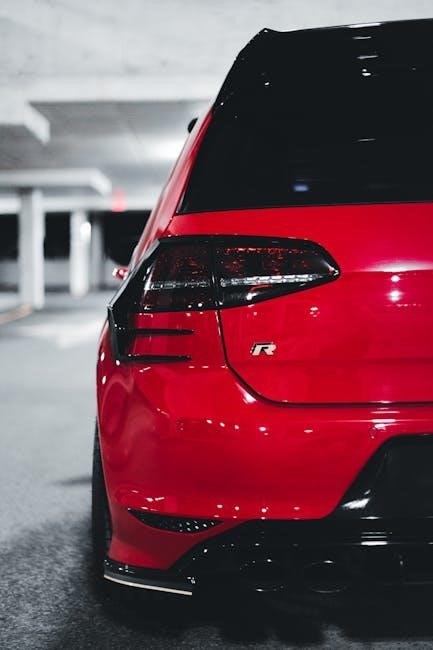
The initial purchase price often sees a slight premium for the DSG-equipped Golf R, typically ranging from $1,500 to $3,000 more than its manual counterpart․ However, this difference can fluctuate based on market conditions and optional extras․ Considering long-term ownership, resale values present an interesting dynamic․
Historically, manual Golf Rs have held their value marginally better, appealing to enthusiast buyers․ However, the convenience and broader appeal of the DSG transmission can offset this in certain markets․ Overall ownership costs should factor in potential DSG maintenance versus clutch replacements on the manual, influencing the true value proposition․
Initial Purchase Price Comparison
As of February 27, 2026, a brand new Golf R with the DSG transmission typically carries a Manufacturer’s Suggested Retail Price (MSRP) starting around $46,500, while the manual version begins at approximately $44,000․ This represents a difference of roughly $2,500 before factoring in destination charges or dealer markups․
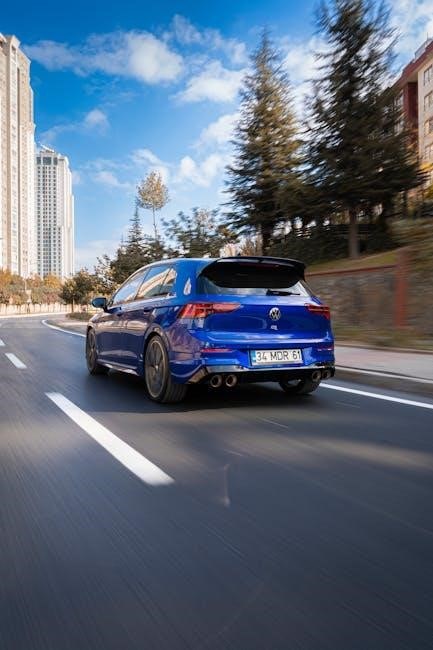
Dealer incentives and regional promotions can significantly alter these figures․ Limited-edition models or those with extensive option packages may see a wider price gap․ It’s crucial to compare quotes from multiple dealerships to secure the best possible price, considering both the vehicle’s configuration and any available discounts․
Resale Value Trends: Manual vs․ DSG
Historically, Golf R models equipped with the manual transmission have demonstrated a slightly stronger resale value compared to their DSG counterparts, particularly among enthusiast buyers․ As of February 27, 2026, well-maintained manual R’s often command a premium of around 5-10% on the used market․
However, this trend isn’t absolute and is influenced by factors like mileage, condition, and overall market demand․ The increasing popularity of automated transmissions may narrow this gap over time․ Limited-edition manual models are expected to appreciate further, becoming collector’s items․

Long-Term Ownership Costs
Considering long-term expenses, the manual Golf R generally presents lower potential costs․ The DSG transmission, while sophisticated, has components – like the mechatronic unit – prone to eventual failure, incurring significant repair bills․ Clutch replacements on the manual are predictable and comparatively less expensive․
However, driving style heavily influences clutch life․ Routine maintenance, including fluid changes for both transmissions, is crucial․ While DSG servicing can be pricier, preventative measures can mitigate major issues․ Ultimately, a careful driver minimizes costs regardless of transmission choice․
Track Performance & Tuning Potential
Both Golf R transmissions offer substantial tuning potential, though approaches differ․ DSG tuning focuses on optimizing shift points, launch control, and thermal management for quicker lap times․ Software adjustments can dramatically alter performance, but reliability concerns exist with aggressive maps․
Manual Golf Rs benefit from lightweight flywheel upgrades and clutch enhancements, improving responsiveness and power handling․ Skilled drivers can consistently achieve fast lap times, leveraging full control․ However, DSG’s consistency and automated shifts can provide an edge for less experienced track enthusiasts․ Both platforms respond well to supporting modifications․
DSG Tuning Options and Benefits
DSG tuning unlocks significant performance gains in the Golf R, primarily through software modifications․ Stage 1 tunes optimize shift points for faster acceleration and improved responsiveness, often yielding 30-50 horsepower gains․ More aggressive Stage 2 tunes, coupled with upgraded cooling, can push power even further․
Benefits include customizable launch control settings, enhanced shift speed, and adaptive shift programming․ However, increased power stresses the DSG’s internal components, potentially reducing longevity․ Proper cooling solutions – upgraded radiators and transmission coolers – are crucial for sustained track use․ Careful tuner selection and conservative mapping are vital for reliability․

Manual Transmission Tuning and Upgrades
While less common than DSG tuning, the Golf R’s manual transmission benefits from specific upgrades․ Short-throw shifters dramatically improve shift speed and feel, enhancing driver engagement․ Clutch upgrades are essential for handling increased power from engine tuning, preventing slippage and ensuring reliable power transfer․
Software adjustments can refine throttle response and rev-matching characteristics, though these are less impactful than DSG mapping․ Strengthening the gearbox internals – with upgraded synchros and gears – is crucial for sustained track abuse․ A lightweight flywheel reduces rotational inertia, improving engine responsiveness, but can introduce some drivetrain harshness․
Lap Times and Track Day Considerations
On track, the Golf R’s DSG generally delivers faster lap times due to quicker, more consistent shifts, minimizing power interruption․ However, a skilled driver in a manual Golf R can close the gap, leveraging precise gear selection and engine braking․
DSG requires diligent monitoring of transmission fluid temperature to prevent overheating during extended sessions․ Manual transmissions are more forgiving in this regard, but clutch wear becomes a significant factor․ Brake fade and tire management are equally critical for both variants․ Ultimately, driver skill and car setup outweigh the transmission choice for consistent, competitive track performance․
Everyday Usability & Comfort
The Golf R DSG excels in daily driving scenarios, offering seamless gear changes and eliminating clutch fatigue, particularly beneficial in congested city environments․ Highway cruising is relaxed and efficient, with the DSG intelligently selecting optimal gears․ Conversely, the manual demands more driver engagement, which some may find tiring during commutes․
Traffic congestion highlights the DSG’s advantage; smooth, low-speed maneuvers are effortless․ While the manual provides a more connected feel, it requires constant clutch and gear work․ Both transmissions deliver a comfortable ride, but the DSG prioritizes convenience, making it ideal for those seeking a hassle-free experience․
City Driving: DSG’s Convenience
Navigating urban landscapes in the Golf R is markedly simpler with the DSG transmission․ Stop-and-go traffic becomes significantly less stressful, as the DSG manages gear selection and clutch engagement automatically, reducing driver workload․ This is a substantial benefit compared to the manual, which demands constant clutch and shifter manipulation․
The DSG’s smooth transitions and quick responses enhance maneuverability in tight city streets․ Launching from intersections and merging into traffic are effortless․ While a skilled driver can manage the manual effectively, the DSG consistently provides a more relaxed and convenient city driving experience, minimizing fatigue and maximizing enjoyment․

Highway Cruising: Comfort and Fuel Economy
On extended highway journeys, the Golf R with the DSG transmission excels in providing a comfortable and efficient experience․ The DSG’s ability to maintain optimal gear selection contributes to lower engine RPMs at cruising speeds, resulting in reduced noise and improved fuel economy compared to the manual․
This translates to a more relaxed ride for both the driver and passengers․ The DSG’s seamless shifting minimizes disruptions, while the manual requires more deliberate gear changes to maintain speed and efficiency․ Both transmissions are capable, but the DSG offers a noticeable advantage in long-distance comfort and fuel savings․
Traffic Congestion: DSG’s Strengths
In the frustrating reality of stop-and-go traffic, the Golf R’s DSG transmission truly shines, offering a significant advantage over the manual counterpart․ The DSG eliminates the need for constant clutch engagement and gear shifting, reducing driver fatigue and providing a smoother, more controlled experience․
The automated nature of the DSG allows for effortless progress in congested conditions, while the manual demands repetitive actions that quickly become tiresome․ This convenience is particularly valuable during daily commutes or in urban environments․ The DSG’s creep function also mimics traditional automatic behavior, enhancing ease of use․